Calculate Potential Profit With Commercial Real Estate ROI Calculator
Calculate your investment property’s potential profit, cash flow, and overall return on investment in seconds. Ensure you buy smart to maximize your real estate income.
CRE Valuation Calculator
Determine the profitability of your real estate investment

Did you know that investment activity across U.S. commercial assets is set to jump again? Projections point to roughly a 16 percent rise in 2026, reaching about $562 billion and edging close to pre-pandemic highs, even as uncertainty lingers.
From our experience, moments like this reward clarity, not guesswork.
This article shows how a commercial real estate valuation calculator helps determine property value with confidence, using commercial real estate valuation principles grounded in today’s market trends and interest rates.
The goal is simple: understand current market value, protect value, and make smarter calls with numbers that hold up.
For added context, we previously broke down returns using a commercial real estate roi calculator.
This guide connects directly to that thinking and prepares readers for the next step, a commercial property value estimator, while tying everything back to our post on property value calculator.
Short Summary
- Use disciplined inputs to estimate a property’s worth with confidence.
- Cross-check numbers using proven methods to support informed decisions.
- Track income, costs, and market shifts to protect value.
- Align analysis with long-term goals to keep commercial real estate moves steady.
How to Use a Commercial Real Estate Valuation Calculator in 2026
Using a valuation tool works best when the math, the inputs, and the market context line up. This section breaks the process into simple, repeatable steps that hold up in real deals.
The Income Approach Formula
At the core sits the income approach, built on a clean formula:
Value = (Net Operating Income ÷ Cap Rate) x 100
A solid valuation calculator applies this logic to income-producing assets because buyers pay for cash flow, not emotion. As Warren Buffett often says, value comes from what an asset produces over time.
For example, a building with net operating income of $500,000 and a 6% capitalization rate points to a commercial property’s value near $8.3 million. That clarity helps decisions move fast.
Inputting Accurate Income and Expense Data
Accuracy drives outcomes. Start with gross rental income and confirm gross monthly rental figures from actual leases, not projections. Then subtract real operating expenses, not guesses.
For instance, common expenses include maintenance contracts, utilities, and management fees. Clean inputs ensure rental income numbers accurately reflect reality.
Adjusting for 2026 Market Conditions
Numbers shift with the world around them. Property taxes, interest rates, and loan terms all react to the current market and broader market trends shaped by economic conditions. A calculator stays useful only when those variables stay current.
We Guide People How To Invest In Real Estate
Decoding Net Operating Income (NOI) and Operating Expenses
Understanding NOI clears up confusion and sharpens valuation judgment. This section shows what belongs in the calculation and what stays out.
Understanding Revenue Streams
Reliable rental income comes from assets built to generate income across cycles. Retail spaces, industrial facilities, and retail centers each behave differently. For example, diversified tenants help stabilize income when one sector cools.
Identifying True Operating Expenses
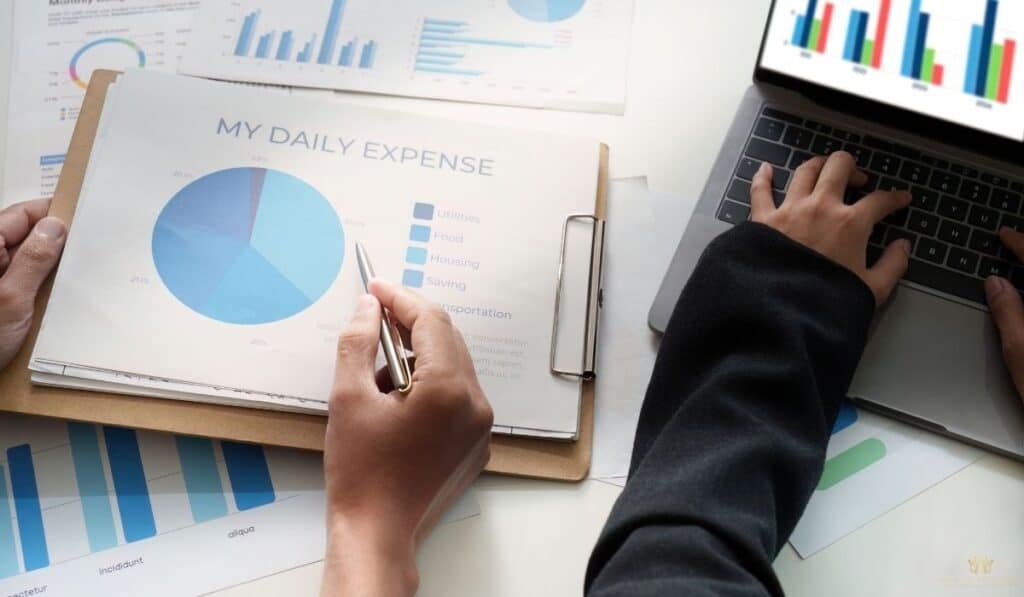
Operating expenses are the costs to keep the doors open and the lights on. They are not your mortgage payment. True expenses include:
- Property taxes (often a major line item).
- Insurance premiums.
- Repair costs and routine maintenance.
- Property management fees.
- Utilities and janitorial services.
- A vacancy allowance.
These expenses directly tie to your property condition and operational efficiency. Underestimate them, and your NOI is a fantasy.
What NOI Excludes and Why It Matters
Here’s a crucial filter: NOI excludes mortgage payments, financing costs, and debt service. Why? This separation lets you evaluate the property’s raw performance, separate from how you bought it.
It allows for an apples-to-apples comparison. This clarity supports smarter financial decisions, whether you use heavy leverage or buy with cash.
Efficiency and Cash Flow Impact
Efficiency boosts NOI, which boosts value. Examine income per square foot. Could you reconfigure space to increase rentable area? Reducing vacancy is a direct path to more cash flow.
Every dollar of saved expense or added rent improves the number your property generates. That’s pure value creation.
Determining the Right Cap Rate for Your Commercial Property
Cap rates turn income into price. Choosing the right one requires context, not shortcuts.
Cap Rate and Risk Explained
A capitalization rate represents the expected annual return on investment. The simple rule? Higher perceived risk demands a higher cap rate. A stable, triple-net-leased pharmacy is a low-risk asset class, so it commands a lower rate.
A speculative retail strip center might see a higher rate. The key factors:
- Location
- Tenant credit
- Lease terms
As Warren Buffett famously said, “The first rule of an investment is don’t lose. And the second rule of an investment is don’t forget the first rule.” The cap rate helps quantify that risk.

Using Market Comparables
You don’t guess your cap rate. You derive it from the market. Research recent sales of similar properties in your area. What cap rates did those transactions imply?
Analyze comparable properties in terms of age, condition, and tenant profile. This data sets a baseline for your similar property types. If your building is older, you might adjust the rate upward slightly.
2026 Cap Rate Trends and Valuation Sensitivity
Be alert to market trends. The 2026 “flight to quality” means top-tier assets may see compressed cap rates due to higher demand.
This can significantly impact your market value. A shift of just 0.25% in your cap rate calculation can change the current value by a large sum. Always run sensitivity analyses. Ask yourself: “What if rates rise 0.5%?” It shows you the true risk range.
Key Methods for Accurate Commercial Property Valuation
The smart investor says: Never rely on a single number! Using multiple methods gives you a complete picture and protects you from costly errors. These key methods provide checks and balances.
Why Using Multiple Methods Matters
Relying on just one method is like navigating with a broken compass. Each method applies best to different situations. Cross-referencing results from two or three approaches reveals the most reliable fair market value. It’s a fundamental practice for confidence.
Sales Comparison Approach
This method looks sideways at the market. You analyze recent sales data of similar properties. Think of it as checking comparable home sales but for commercial assets. You adjust for differences in size, location, and condition.
The result is a solid fair market benchmark. For a standard office building, this approach often provides a clear baseline.
Cost Approach for Specialized Properties
How much would it cost to rebuild from scratch? The cost approach answers this. It adds the land value to the current replacement cost of the building. This method applies perfectly to unique structures.
Consider a specialized manufacturing facility. There are few comparable sales, so estimating construction costs and land value makes practical sense.
Why the Income Approach Dominates
For most property owners, the income approach is the star. It focuses directly on income potential.
This method resonates with investors because it quantifies the asset’s money-making engine. Most commercial property valuation conversations start here.
As investment legend Peter Lynch said, “Know what you own, and know why you own it.” The income approach tells you exactly that.
Beyond the Calculator: Making Informed Investment Decisions
The calculator’s output is just the beginning. True savvy comes from what you do with that number.
Viewing Value Through an Investor Lens
Smart property owners separate the purchase price from the cash invested. Your return is based on the actual cash you put in.
A $1 million property with $750,000 financed is a different beast than an all-cash buy. This perspective directly shapes your investment goals and measures true performance.
Tax Strategy Considerations for 2026
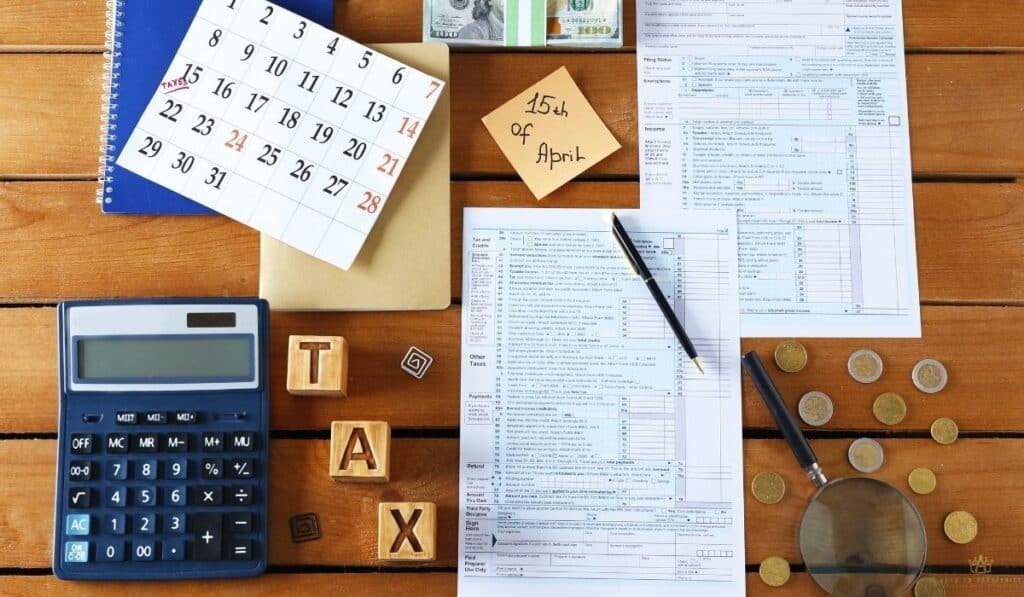
Your property valuation influences big financial decisions, especially taxes. In 2026, provisions like bonus depreciation can offer significant benefits.
To understand this better, consult a tax professional. A strong understanding of your asset’s current market value is the essential first step for any strategic planning.
Risk, Property Type, and Income Durability
Finally, weigh the inherent risk. A property’s resilience defines its long-term worth. Ask: how does this property type weather a downturn?
An essential-service medical office often has a steady property’s ability to generate income compared to a luxury boutique hotel. This durability assessment is the ultimate test of value.
Final Thoughts
Mastering valuation is a discipline, not just a calculation. It turns raw numbers into a clear story about your property’s worth. In commercial real estate, this discipline is your foundation for all informed investment decisions.
Use the tools, understand the methods, and always contextualize the result. This process ensures you uncover true value and make informed decisions with confidence.
Ready to explore more? Use these insights as your starting point. We have deeper resources to help you navigate every step. Visit our homepage to continue building your expertise.