
Thinking about retirement? You might notice today’s housing market feels different. Recent data shows that about 20% more homes are available now compared to last year, offering retirees more options without the frenzy.
This shift makes it a perfect time to ask: Is real estate a good investment for retirement? From our experience, the right property can do more than just grow wealth; it can directly fund your living expenses and protect your purchasing power.
This article will show how retirement investments in real assets can create lasting retirement income.
This article connects to our earlier guide on 401k real estate investment rules and builds toward a deeper walkthrough on how to convert 401k to real estate without penalty.
It also fits into our post on 401k real estate investing, designed to help retirees make confident, well-informed decisions.
Short Summary
- Focus on Income: Success in retirement depends on generating a reliable monthly income, not just accumulating a large account balance. Real estate provides this through rental payments.
- A Strategic Asset: Property is a tangible asset that offers both ongoing cash flow and long-term value growth, making it a worthwhile investment for many portfolios.
- More Than Just Owning: You can be active (managing properties) or passive (using REITs). Different strategies fit different goals, from residential rentals to commercial real estate.
- Built-In Advantages: Real estate offers unique tax benefits that can protect your income and powerful tools like 1031 exchanges to grow your net worth without an immediate tax hit.
- Risk Management: Your time freedom is protected by using systems—like a property management company—and planning for vacancies, not by avoiding investment.
- Part of a Balanced Plan: Real estate should complement other retirement investments like stocks and mutual funds, creating a diversified and resilient income strategy.
The Shift From Nest Eggs to Monthly Income
Retirement success is now about predictable income, not just a large account balance. We’ll explore why traditional methods can stumble and how a cash flow strategy changes the game.
Why Traditional Retirement Savings Fall Short
A big number loses its power when inflation rises, and withdrawals are fixed. Your living expenses increase, but your retirement income might not. Think about money market funds or a portfolio relying only on stocks pay dividends.
Their yields often fail to outpace inflation long-term. This leaves the principal vulnerable.
As the economist Peter Lynch noted, “The key to making money in stocks is not to get scared out of them.” But fear is real when you must sell shares for income during a stock market crash. Selling low locks in losses, and can drain your retirement investments.

Cash Flow vs the 4% Rule
This is where true cash flow shines. Compare selling stocks to receiving monthly rent. The first forces you to guess the market’s mood. The second provides monthly income from a contract. One is a guess; the other is a paycheck.
This stability is why many investors add property to their plan. It provides a buffer when the stock market dips, so you avoid selling stocks at the worst time.
Is Real Estate a Good Investment for Retirement?
So, is real estate a good investment for retirement? The answer hinges on its unique blend of income, growth, and control. Let’s break down what makes it a worthwhile investment.
Real Estate as a Tangible, Income-Producing Asset
Unlike a stock certificate, real estate is a tangible asset you can see and improve. Its primary superpower for retirees is ongoing income. Tenants’ rental payments directly cover living expenses, creating a paycheck-like cash flow.
Simultaneously, history shows real estate assets tend to appreciate over decades. You benefit from immediate income and long-term growth.
Matching Real Estate to Personal Circumstances
Not all real estate investing looks the same. Your strategy must match your personal circumstances. Ask yourself: What is my portfolio size for an initial investment? What is my true risk tolerance? Critically, how much time can I offer?
A hands-off investor might hire a full team, while someone with time may manage a residential property themselves. The beauty is in the flexibility.
We Guide People How To Invest In Real Estate
Commercial vs Residential: Diverse Investment Strategies
Your retirement goals dictate your property type. Each path offers distinct advantages for building retirement income.
The Residential Advantage in 2026
For most new investors, residential property is the accessible entry point. Why? The down payment is typically lower than for commercial spaces. Financing is easier with familiar mortgage products.
You can scale gradually by adding more rental properties. This approach lets you build a portfolio of residential rentals over time.
Commercial Opportunities for Retirement Investors
Want tenants who handle repairs? Consider commercial property. Leases often place upkeep on the business tenant. We see smart investment strategies targeting essential sectors.
Examples include industrial flex spaces for logistics, senior housing for the aging population, and properties with credit-rated tenants. These commercial real estate options can offer longer leases and stable income.
Passive Options Without Owning Property
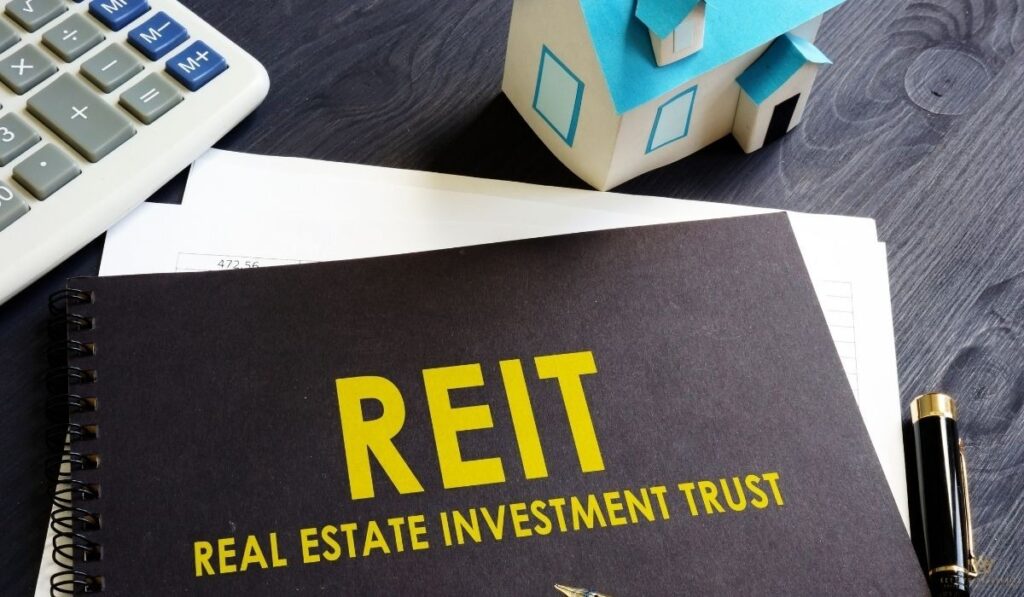
No time for a hands-on approach? You can still participate. Real estate investment trusts (REITs) trade like stocks and pay dividends.
Or, explore real estate crowdfunding platforms that pool money for specific projects. These passive investment strategies provide exposure without direct management, perfect for a hands-off retirement portfolio.
Maximizing Tax Advantages and Net Worth
Here’s a powerful truth: smart tax strategy makes real estate a retirement powerhouse. These tax benefits protect your real estate income and accelerate growth.
Depreciation and Active Tax Shielding
The tax code allows you to deduct a property’s theoretical wear and tear. This is depreciation. With rules like bonus depreciation, you can shield a large part of your income from taxes.
This is one of the most significant tax benefits. It turns paper losses into real tax advantages, keeping more cash in your pocket.
Deductions That Improve Cash Flow
Operational expenses are your friends. Almost every cost of running your property is deductible.
- Mortgage interest
- Property taxes
- Repairs, insurance, and management fees
These tax deductions directly boost your monthly cash flow. As Benjamin Franklin noted, a penny saved is a penny earned. These savings add up fast!
Growing Net Worth With 1031 Exchanges
Ready to sell rental properties and upgrade? A 1031 exchange lets you defer capital gains taxes if you reinvest the proceeds into a “like-kind” property. This preserves your full cash invested for growth, supercharging your net worth over time without an annual tax hit.
Passing Wealth Tax-Free With Stepped-Up Basis
Here’s a benefit most retirees overlook: your heirs won’t pay capital gains tax on your real estate’s growth. When you pass away, the property’s value “steps up” to its current market value. This is the stepped-up basis rule.
Let’s say you bought a rental property for $200,000 that’s now worth $500,000. If you sold it, you’d owe tax on that $300,000 gain. But if your children inherit it? Their new “basis” becomes $500,000. They can sell immediately and owe zero capital gains tax on all that appreciation.
This is huge for wealth transfer. Compare this to a traditional IRA, which offers no stepped-up basis. Your heirs pay ordinary income tax on every dollar they withdraw. Plus, Required Minimum Distributions (RMDs) force you to start taking taxable withdrawals at age 73, whether you need the money or not.
Direct real estate ownership side steps both problems. No forced distributions during your life. No income tax bomb for your kids. It’s one of the cleanest ways to pass generational wealth.
Managing Risks Without Sacrificing Time Freedom
Think risk management means more work? Good systems grant freedom. The goal is to protect your cash invested and your peace of mind.
Avoiding the Landlord Trap
Does fixing a toilet at midnight sound like retirement? For many, it doesn’t. This is the landlord trap.
The simple solution is a property management company. These property managers handle repairs, tenant screening, and rent collection for a fee. Delegation is the price of your time freedom.

Protecting Cash Flow
Your mortgage payment waits for no one. So safeguard the rent that covers it.
- Use rent default insurance for tenant non-payment.
- Maintain a cash reserve for vacancies and repairs.
A four-month reserve fund is a smart buffer. This planning stops you from having to add more cash invested during rough patches.
Knowledge as Risk Control
The best way to lose money is to jump in blind. Remember, true real estate knowledge is your safety net. Understand numbers like cap rate and cash-on-cash return before you buy. Learn basic home improvement skills to assess repair quotes. Education turns risk into a calculated step.
Integrating Real Estate Into a Retirement Strategy
Real estate is a powerful piece, not the entire puzzle. A balanced retirement strategy uses all the tools available.
Using Retirement Accounts
You can hold property in retirement accounts like a Self-Directed IRA. This allows for retirement real estate investing with tax-deferred gains. The rules are strict. All expenses and income must flow through the IRA. It’s a great tool for specific real estate holdings.
Balancing Real Estate With Traditional Assets
Your investment portfolio needs balance. Pair real estate assets with liquid assets like stocks and a mutual fund. This diversification protects you.
If the stock market zooms, your stocks gain. If it drops, your property’s monthly rent supports you. This is the core of wise financial expertise.

Active vs Passive Real Estate Roles
Your involvement level is a choice. You can be active in wholesale real estate investing or managing real estate projects. You can be passive with REITs. Some even own business property, like a storage facility. Each role fits different goals in your retirement strategy.
Final Thoughts
Retirement works best when income feels steady and flexible. Real estate doesn’t replace other investments, yet it can help fund retirement with control and clarity.
Many real estate investors focus on passive income because it helps generate income from actual properties, not guesses. This asset class supports financial wellness when used with intention. Strategy matters more than perfect timing in 2026.
Curious how this fits your plan? A trusted real estate agent can help clarify options. Visit our homepage to explore practical resources and take the next step with confidence.