
A sobering fact hits close to home: one in five Americans over 50 has no retirement savings, and a majority worry their future finances are on shaky ground. It is a common concern, but the good news is that your workplace retirement plan is a powerful tool to change that narrative.
From our experience, mastering a few 401k basics can transform anxiety into action. This guide will walk you through your retirement account options, demystify the tax benefits, and equip you with the personal finance knowledge you need to build a secure future.
In our previous discussion, we covered the immediate advantage of the 401k tax deduction. This article will build on that by exploring the core mechanics of the traditional 401k.
Our next post will then guide you through actively managing your 401k retirement plan for long-term growth.
Let’s start!
Short Summary
- A 401(k) is a defined contribution workplace retirement plan where you save via automatic employee contributions, often with an employer match.
- A Traditional 401(k) uses pre tax contributions to reduce taxable income now, while a Roth 401(k) uses after tax dollars for tax free growth and withdrawals later.
- Plan assets are invested in options like mutual funds and target date funds, but investing involves risk and you could lose money.
- The Internal Revenue Service set 2025 contribution limits at $23,500, with a $7,500 catch up contribution for those 50+ and a $11,250 catch-up for ages 60-63.
- Early withdrawals before age 59 1⁄2 typically incur a 10% early withdrawal penalty plus income tax, but exceptions exist for financial hardship or a $1,000 emergency expense.
- With an old employer’s plan, you can leave it, rollover to a new 401(k) or an individual retirement account (IRA), but cashing out triggers taxes and penalties.
401k Basics — What Is a Defined Contribution Retirement Account?
This section gives a clear look at how a 401(k) works and why this type of retirement account became the standard tool for long-term saving in the United States.

What a 401(k) Really Is
A 401(k) is a defined contribution plan created under the internal revenue code, and it acts as the backbone of many company benefit packages. A lot of new workers hear the term and assume it’s complicated. But actually, the structure is simpler than most expect.
The plan is set up by a plan sponsor, usually the employer, and managed by a plan administrator, often a financial institution. Employees who take part in the plan are known as the plan participants.
In a workplace retirement plan, every pay period sends money straight from the paycheck into the plan account. For example, someone earning 60,000 dollars per year who contributes 6 percent will see that amount move into the account each pay cycle without lifting a finger.
These employee contributions fund the account along with any extra amounts the company adds.
Defined Contribution vs. Defined Benefit
Past generations relied on a defined benefit pension that guaranteed a fixed payout for life. Modern employers typically offer a retirement savings plan instead, which gives workers full control over their future balance.
The employee chooses how much to save and how to invest the plan assets. The payout in retirement depends on those choices.
Choosing pre tax contributions can help reduce taxable income in the current year. For example, someone who raises their contribution from 5 percent to 10 percent often qualifies for a meaningful tax deduction because those dollars are not counted in taxable earnings.
Many people use this strategy to enjoy immediate tax benefits while building long-term savings.
We Guide People How To Invest In Real Estate
Traditional vs. Roth 401(k) — Understanding the Tax Treatment
This section explains how both accounts handle taxes differently and why the right choice depends on your current income and your future expectations.
When Taxes Come Into Play
People tend to focus on investment choices and forget that tax treatment shapes the real results. A traditional 401(k) uses pre tax contributions, so the money enters the account before federal taxes apply.
Someone might ask a friend, “Why did my paycheck feel bigger after enrolling?” The difference comes from lowering employee’s taxable income. Many financial educators say, “Saving on taxes now can supercharge early growth.”
These plans rely on tax deferred growth, meaning the balance grows without annual taxation. The tradeoff comes later. Withdrawals in retirement count as ordinary income, and you pay taxes at your future rate. Anyone expecting a lower tax bracket later often chooses this type.
How the Roth Version Works
The Roth side uses after tax money, so contributions do not reduce current taxable income. For example, a worker earning $50,000 may choose Roth because they value the idea that the money grows tax free.
The future withdrawals are withdrawn tax free as long as they qualify as qualified distributions. People expecting a higher tax bracket in retirement often lean on this version.
Companies still add employer contributions in the pre-tax format. Those amounts eventually count as ordinary income when withdrawn.
As a lot of professionals call it, the Roth option is a “tax advantaged win for long horizons,” though every person must consider their own income tax situation.
Don’t Leave Free Money on the Table — The Power of the Employer Match
This section highlights why matching dollars matter and how they help your retirement balance grow faster than relying only on your own savings.
Why the Match Matters So Much
Plenty of people skip the match early in their career and regret it later. The employer match can support savings growth by adding money automatically. Think of a coworker saying, “Why turn down free money?”
The idea is simple. If your employer offers a dollar for dollar match up to a certain percentage, the company matches each dollar you save up to that limit. Other companies use a 50 percent formula instead. Both versions qualify as matching contributions.
Vesting and Profit Sharing
Some employers add profit sharing to the mix. These employer contributions may follow a vesting timeline. The vested account balance represents the portion you fully own.
Workers who stay long enough keep all the money, and this often surprises employees who never checked their plan rules. For example, someone who stays for three years instead of leaving at year two may keep thousands of additional dollars simply due to a faster vesting schedule.
Most employers offer a match through plan contributions, and maximizing that match often creates one of the easiest paths to a stronger future retirement savings habit.
Investing Your Plan Assets — Essential Investment Options
This section walks through the investment choices available inside most 401(k)s and explains how to think about risk and long-term planning.

Understanding the Investment Options
Every plan reminds participants that investing involves risk and that it is possible to lose money in the short term. Long-term savers tend to look past this and focus on building plan assets. The plan may include mutual funds, index funds, and target date funds.
For instance, target date funds adjust from stocks to bonds across time, which appeals to people who want a simple path for future growth.
Setting the Right Objectives
We encourage new savers to think about their investment objectives before picking a mix. Asking questions like “How soon will I need this money?” can help. Some workers choose broad market index options while others like a blend of bond and stock investment options.
A few check performance charts in their brokerage accounts and compare risk levels.
Some educators say, “Diversification supports steadier outcomes when markets swing.” Examples of this show up when workers mix large-cap, mid-cap, and bond funds for balance.
People who are new to investing often benefit from clear investment advice from a financial professional. Several prefer meeting with a financial advisor once a year to stay on track.
Others use plan websites to review fund details and see how changes would affect progress across time.
Contribution Limits and Withdrawal Rules — Key IRS Guidelines for 2025
This section walks through how much workers can save in 2025 under tax laws, what happens when they withdraw money too early, and how required minimum distributions work later in life.
Understanding the 2025 Contribution Limits
The internal revenue service keeps these limits updated, and the 2025 numbers play a big role in how people plan their year. The standard contribution limits allow $23,000 in plan contributions for employees.
Savers age fifty or older qualify for a catch up contribution of 7,500 dollars. The SECURE 2.0 update introduces an extra benefit for workers age sixty to sixty three. These savers can add a boosted limit of 11,250 dollars.
This is a powerful chance to turbocharge your retirement savings in those final working years
The Rules Around Early Withdrawals
Many workers ask about early withdrawals and how much they cost. The moment someone withdraws money before age fifty nine and a half, they face an early withdrawal penalty of 10 percent.
Regular federal income taxes also apply. Exceptions exist for financial hardship, such as severe medical costs, emergency repairs, or housing issues. Some people use the 1,000 dollar emergency option from SECURE 2.0 when facing sudden problems.
We’ve seen examples where someone needed to cover hospital bills and used a hardship withdrawal to manage expenses without taking on high-interest debt.
Required Minimum Distributions (RMD) Explained
Starting at age seventy three, traditional accounts trigger required minimum distributions. These minimum distributions count as income and fall under ordinary income tax.
People who forget to take the yearly amount face a penalty of 25 percent. Acting quickly can reduce the penalty to 10 percent.
A helpful SECURE 2.0 shift removed RMDs for Roth workplace accounts. This lets Roth savers transfer wealth with fewer tax concerns and more control over timing. Some regard this as a “meaningful step toward tax flexibility.”
When You Change Jobs — Handling Your Old Employer’s Plan
Changing jobs raises a big question: what should you do with that old 401(k)? Well, for one thing, don’t just leave it in a drawer! You have a few smart choices for your old employer’s plan.
Understanding Your Four Choices
When you move on, you typically have four paths for your retirement plan nest egg. Each has different implications for your taxes and control.
1. Leave it with your old employer.
You can often keep your account right where it is if the balance is above a certain amount, usually $5,000. This is a simple choice, but you might forget about an old employer’s plan over time.
2. Roll over to your new employer’s 401(k).
This consolidates your retirement savings into one account. It keeps everything tidy and under one roof.
3. Roll over to an IRA.
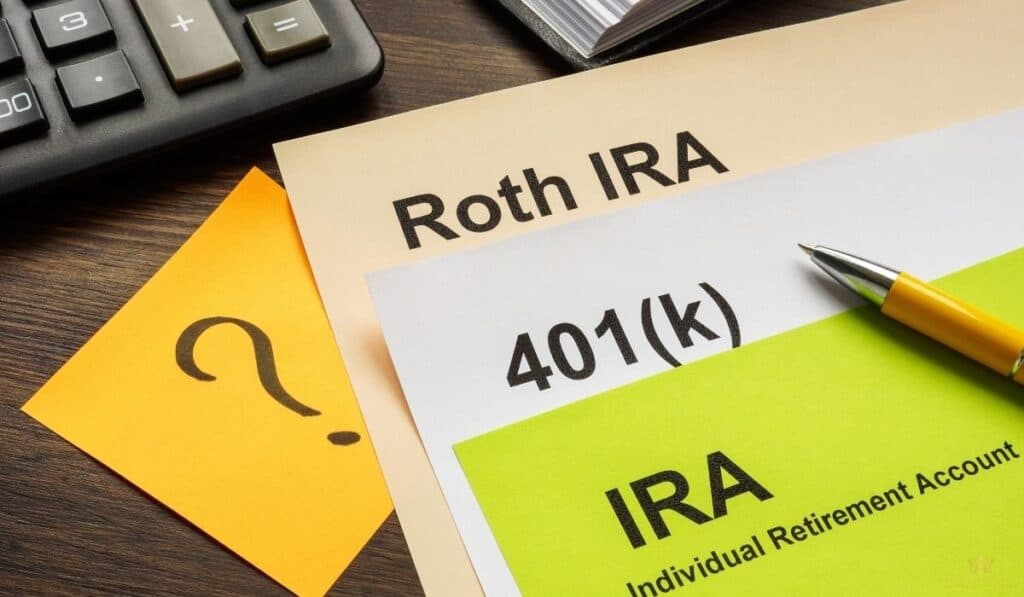
Moving your funds to an individual retirement account often gives you more investment options and control. You can choose a Traditional IRA or a Roth IRA, but remember, a rollover to a Roth is a taxable event.
4. Cash out.
This is almost always a bad idea. Why? The administrator will withhold 20% for federal income taxes immediately. You’ll also owe the 10% early withdrawal penalty if you are under 59 ½.
This double whammy means you could lose nearly half of all the money you worked so hard to save. Please think twice.
Final Thoughts
Your retirement plan offers real power for building wealth. Start today! Grab that employer match first. Every dollar counts for long-term success. Your retirement savings grow faster than you think once you get rolling.
Need help with the details? A tax professional or financial advisor can customize strategies for your situation. Personal finance gets easier with expert guidance.
Ready to take control of your financial future? Visit Keys to Prosperity for more resources and support on your journey to financial freedom.