Maximize Your Earnings: Calculate Investment Property Profit with Our ROI Calculator
Calculate your current home value with our free estimator. Discover how much your home is worth and see how it compares to others in the market today.
Get a quick home value estimate
Enter your home details to estimate its value based on median home values by state (Zillow Q1 2025, via Experian). This is a rough estimate only and does not replace a professional appraisal.

If you feel the weight of housing costs in 2025, you’re in good company. Even with mortgage rates finding some stability, nearly 20 million households still spend more than 30% of income on housing costs.
This reality makes understanding your financial position more critical than ever. It all starts with one powerful question: what is my home worth? From our experience, that single number is the key that unlocks doors to financial flexibility and future planning.
This article will show you how to use a free home value estimator to get an instant home value estimate, demystifying the tools that help you check your equity and plan your next move with confidence.
This deep dive into your property value calculator is a core part of our series on building wealth through real estate. If you missed our previous discussion, we broke down the numbers with our real estate roi calculator.
Up next, we will expand the conversation with a commercial real estate roi calculator for those looking beyond the residential market.
Short Summary
- Homeowners can use a free home value estimator to get a fast sense of property value.
- AVMs pull data from public records, MLS activity, and comparable sales.
- Estimates help with selling decisions, refinancing, and early investment planning.
- Market conditions, location, and recent sales shape accuracy.
- Local agents refine numbers with experience and on-the-ground insight.
- Investors use estimates to screen deals, test returns, and confirm equity strategy.
What is a Free Home Value Estimator and How Accurate Is It?
These tools give homeowners, sellers, and investors a fast way to gauge property value before taking any big steps. The following sections break down how they work, what information they rely on, and how to make their results stronger.
Defining the Tool
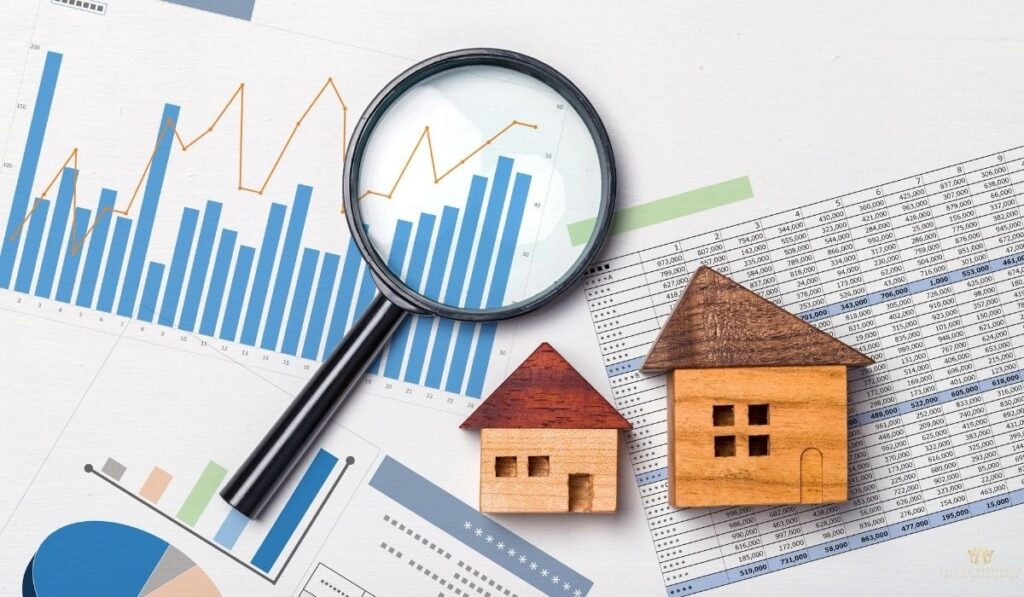
A free home value estimator acts like a quick snapshot of your property’s possible worth using data, math models, and past trends.
Most platforms rely on an automated valuation model (AVM) that studies hundreds of data points tied to your home address and creates an instant home value estimate within seconds.
Anyone comparing a property valuation tool to a manual review from real estate pros sees right away that the AVM offers speed, while the expert offers precision.
We often see homeowners use an online home value calculator as a first step before contacting a professional. A traditional CMA from real estate professionals digs into current competition, local behavior, and renovations that might not show up in databases.
For example, someone may update a kitchen last year and only a CMA captures the added value because AVMs have no direct access to detailed renovations.
AVMs help with early decision making and can point you in the right direction. Manual reviews help when stakes rise and accuracy matters. Using both offers a balanced starting point without feeling pulled in two directions.
We Guide People How To Invest In Real Estate
The Data Behind the Estimate
An estimator pulls from public property records that include information like tax assessments, transfer history, and the chain of ownership. It also combines MLS data from recently sold homes, which often guides pricing trends in a neighborhood.
For example, we have watched a single street shift in value after one home sells over asking and creates fresh comps within days.
The property characteristics included in an AVM matter because they create the structure of the estimate. These include sqft, beds, baths, lot size, and layout type.
When the data is accurate, the model builds a cleaner estimate that reflects actual features instead of outdated assumptions.
The system then scans comparable homes (comps) with similar traits. For example, if two homes share similar square footage but one sits beside a major road, the AVM sometimes struggles to adjust for noise or traffic.
This is one reason homeowners check each comp to confirm that it lines up with their own subject property.
Understanding the Accuracy & Limitations
Anyone reviewing home value accuracy learns quickly that models favor on-market vs off-market homes because active listings and recent sales provide cleaner data.
An off-market house might lack updates in public files and cause the tool to return an estimate that feels slightly off. We have tested these models in real markets and noticed the median error rate improves when a property has recent MLS activity.
Every automated valuation model runs into natural AVM limitations created by missing information, unusual upgrades, or unique neighborhood features.
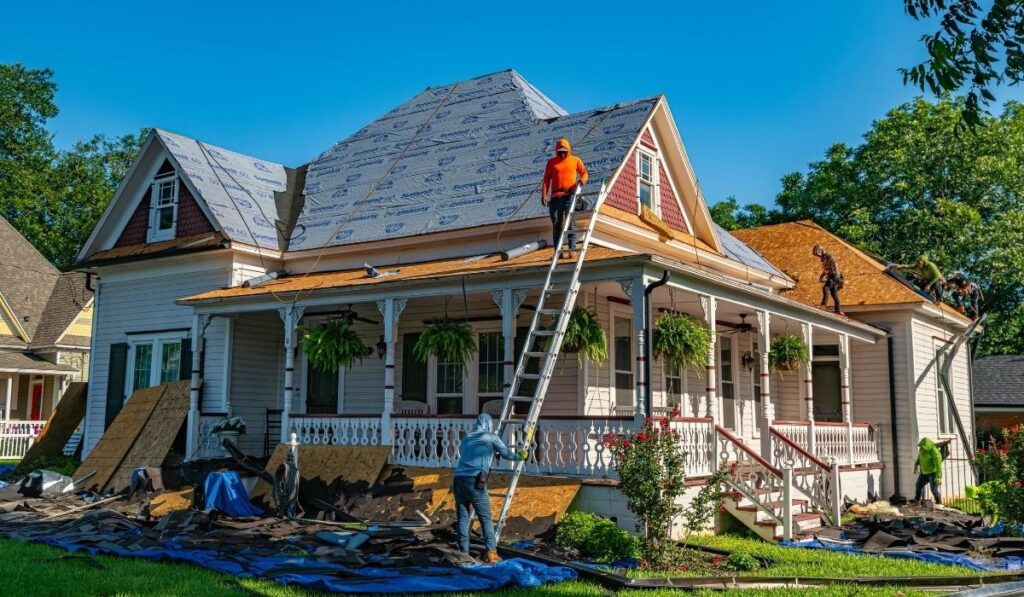
For example, a home with a brand new roof may not show that upgrade in county files until much later. This difference shapes the gap in estimated home value vs appraisal when an appraiser visits and sees everything firsthand.
An AVM gives a useful starting point but does not replace professional appraisals required by mortgage lenders. Think of the estimate as a preview, not the final review. When pairing the model with market context and human insight, the accuracy improves.
Actionable Next Steps for Higher Accuracy
Homeowners can refine home value estimate results by checking if all property details are correct. For example, a tool may list your home at 1,500 sqft when the actual size is 1,720 sqft due to a finished basement.
Updating this information creates a more reliable estimate without extra effort.
Next, consider the home improvements value added over the years. Things like new windows, modern HVAC, solar upgrades, or expanded usable space can shift the number higher.
When a tool misses these items, you can adjust it by reviewing sales history of nearby homes with similar home upgrades.
Taking time to check comparable sales helps confirm whether the estimator pulled solid comps. For example, if your home has a renovated exterior with improved energy efficiency but the comp does not, the gap explains the difference.
Small adjustments like these strengthen the foundation of the estimate and give you a number you can trust.
Beyond the Number: Leveraging Your Estimated Home Value for Investment Success
A property’s estimated value can shape someone’s next steps for wealth building, refinancing, or expanding a portfolio. The following insights help homeowners and investors use these numbers in meaningful ways.

The Investor Mindset Shift
A strong picture of real estate equity helps you plan moves that support long-term goals. The right home equity strategy sets the stage for financial freedom through real estate because decisions come from data instead of guesswork.
For example, we once saw a homeowner look at an estimate, realize they had far more equity than expected, and decide to expand into a duplex that boosted income for years.
Knowing your number helps with property wealth building even if a sale or refi is not happening soon. A clear estimate makes choices easier and less stressful because you work from informed confidence. This kind of mindset shift builds momentum quickly.
Strategic Financial Decisions
Your estimated value helps you pinpoint a path forward with tools like a cash-out refinance or home equity loan. A homeowner with strong equity can use a HELOC to fund strategic upgrades or secure better financing terms.
We have seen many owners use their estimate to set a target before starting investment property financing conversations.
Anyone learning how to use equity can test different ideas by pairing the estimate with online calculators. For example, someone looking at a starter rental might use their available equity to build a realistic price range. That early analysis saves time and prevents confusion.
Identifying Investment Opportunities
A value estimator helps you spot undervalued homes in locations with steady growth. For example, a property with cosmetic issues might show a lower estimate because the model assumes the property’s condition matches public records.
Most investors treat something like this as a distressed property opportunity.
The goal is to find listings with strong flip potential where small changes deliver meaningful returns. Simple value-add improvements like new siding or updated lighting can create a quick boost in market value.
Pair this with rental property analysis and your estimate becomes a tool for estimating returns before stepping foot inside the home.
Investors can move faster when they use models for early screening. This keeps decisions focused and protects time.
Comparing Investment Metrics
Your instant home value estimate helps you run numbers with a cap rate calculator and test scenarios for rental yield.
For example, someone analyzing a short-term rental can check whether the projected income supports long-term operating costs. A strong estimate guides these tests with more confidence.
Investors studying ROI for rental properties often use the estimate as a foundation for underwriting. An estimated property value for underwriting allows you to see if the deal lines up with your goals before hiring an inspector or agent.
This step saves money and speeds up the decision-making process.
How Homeowners vs. Investors Interpret the Number
A homeowner sees the figure through a property value perspective tied to personal goals. Someone preparing to list wants their number to reflect fair market value and recent upgrades. For example, a seller might compare a model’s result to photos of similar homes to confirm alignment.
An investor views the estimate through homeowner value vs investor value because the number shapes offers and exit strategies. A buyer might run a quick test to confirm that the model supports an acceptable range before drafting offers.
The difference in interpretation affects negotiations and shapes your final position in a deal.
A fair market value vs investor offer comparison helps you see where expectations align. It keeps conversations practical and grounded in current data.
Mastering the Variables: Key Factors Influencing Your Property Value in Today’s Market
Property values shift for reasons that go beyond the four walls of a home. These sections walk through the major forces shaping pricing in today’s market, from broad economic signals to minute neighborhood details that buyers watch closely.
The Current Market Reality
The 2025 housing market carries its own rhythm, and homeowners feel those shifts because values move with local and national conditions. Many buyers face unique real estate market conditions that stem from moderate prices mixed with stubborn competition.
One example involves buyers adjusting to interest rates in 2025, which remain steady but still shape affordability.
Several areas continue to face low housing inventory, which leaves buyers chasing fewer options than they hoped for. We have watched this play out in suburban neighborhoods many times when three buyers make offers on the same place in a single afternoon.
High cash buyer activity also adds pressure because some investors move quickly and lift sale prices above list price.
Anyone reading market updates can spot patterns building across cities. Each pattern shapes demand, and demand shapes value. Keeping a close eye on these trends helps you understand the direction of your current market value instead of guessing where it stands.
Location and Neighborhood Data
Buyers look beyond the structure and check the setting, and this explains why location matters so much in pricing. Families often prioritize strong school district ratings and treat them as long-term value indicators.
A house near top-rated schools stands out, and we see this reflected in budgets and search activity.
Some buyers choose neighborhoods based on neighborhood amenities that support their daily routine. This includes shopping centers, parks, gyms, and community spaces that sit within a short drive.
For example, a home within ten minutes of a grocery store tends to draw more interest than a similar home far from services because convenience always matters.
Areas with strong walkability and good proximity to transportation stay in high demand because they offer easier commutes. This boosts local housing demand, which adds natural strength to pricing.
A home in the right location holds a competitive edge even without major upgrades because buyers compete for accessibility.
The Impact of Comparable Sales
Appraisers and agents rely on comparable sales because they offer real numbers based on actual completed transactions. Any set of recently sold properties acts like a guide to what buyers pay in your area.
Choosing the best comps to use requires a close look at location, condition, and layout. A square footage comparison helps you understand value differences between homes that look similar on paper but vary in size.
You can also compare similar home features like garage count, basement finish level, or lot shape.
Vet comps by asking simple questions. Did the home sit on a quiet street or a busy corner? Did the kitchen match yours in age and design? This quick check prevents misleading comps from distorting your sense of value.

The Human Element: Why a Local Real Estate Agent is Essential
A digital estimate offers speed, but a CMA (comparative market analysis) from a seasoned pro gives depth. A local real estate expert knows how each street behaves in your city and sees things no model can capture.
One example includes an agent identifying a value bump due to a brand new park that has not yet appeared in databases.
Agents combine public records with off-market home data and details shared by homeowners through user submitted data, which sharpens the estimate. This creates an accurate home value built from lived neighborhood insight rather than only system-generated math.
An agent can walk through a home and notice energy savings upgrades or a custom feature that pushes value higher.
Anyone looking for the strongest number should blend AVM results with hyper-local market knowledge. This layered approach leads to a precise valuation that feels grounded and trustworthy.
A good agent connects the dots between online tools and the real world in ways technology cannot match alone
Final Thoughts
Numbers on a screen start the journey, but real wins come from smart moves with them.
We covered the nuts and bolts of a free home value estimator, from its quick math to market twists that sway results.
Homeowners spot equity gold; investors chase deals that build stacks. Every path leads to more control over your slice of the pie.
Ready to move? Check your home value today with our simple tool. Get a free home value estimate in seconds and see fresh possibilities pop up. Then take the next step with your home equity, maybe a chat about refi options or flip ideas.
Swing by our homepage for more guides that keep things rolling. What’s your first play?